













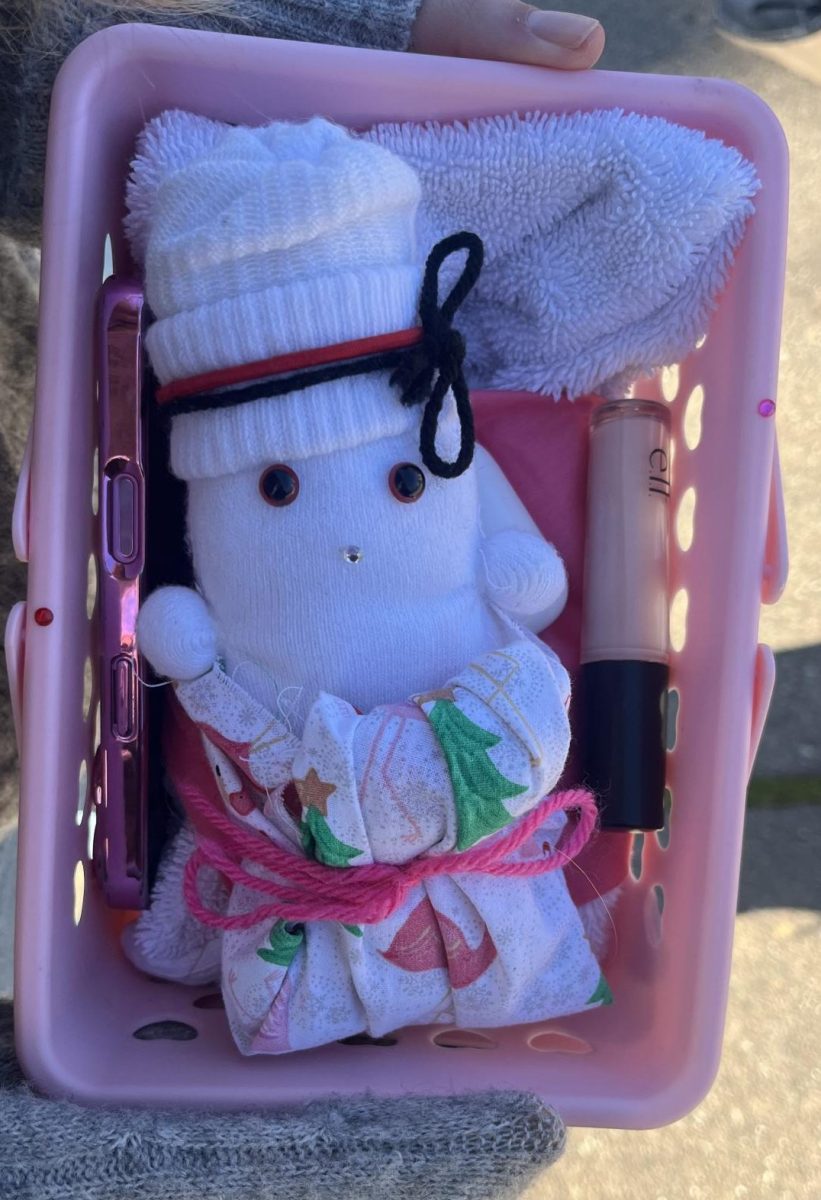
Every year the AP Psychology class does one project that draws the attention of all the students here at Granada.
The sock baby project gets introduced during the child development unit in order for students to apply the concepts and ideas that they are studying at that time.
“The sock baby is designed to add an element of fun to the unit in a hands on way,” explained Ms. Bailey, the AP Psych teacher.
They are in charge of raising their “socklet”, as they are commonly called, in line with the content that they are learning about at that time. They have to write a paper report about how their sock baby(ies) are going through the phases of child development that are mentioned in the course.
As a part of the project, students have a choice to either make an instagram, slideshow, or scrapbook to document their socklet’s everyday life. “[Instagram] allows them to interact with each other and it allows the Granada community to interact with the socklets as well,” said Bailey.
The socklets were “born” on January 8 and the project ends on January 16. “I wanted them to have their socklets over a weekend and then like a week of school.”
Although it is a very exciting project, there are certain rules that the socklet parents must follow. “[The socklets] have to go everywhere with them, they have to have the socklets in a carrier. If the students aren’t able to tke care of it, they need to leave it with a babysitter.”
A big thing that this project is known for is the opportunity to bring out the students’ individuality. They randomly pick a number of babies (single, twins, and triplets) and randomly pick the gender for the babies to mimic how, with true pregnancy, the gender and quantity of babies there are.
Students in Ms. Bailey’s class need to be extra careful during this project because, although Ms. Bailey doesn’t always see them, she has secret sock monitors that watch during school hours. Any Granada staff that notice sock parents neglecting their socklets can report back to Ms. Bailey about it.
Although it may seem like the biggest part of the project, most of their grade is based on the written assignment. “A majority of the grade for the project is based on their written application of the content that they learned. The sock baby itself is really a small portion of their grade.”
Students in AP Psychology are usually very excited when they hear about the socklet experience. “I have students from the beginning of the school year asking me when we are doing the sock baby project,” claims Ms. Bailey.
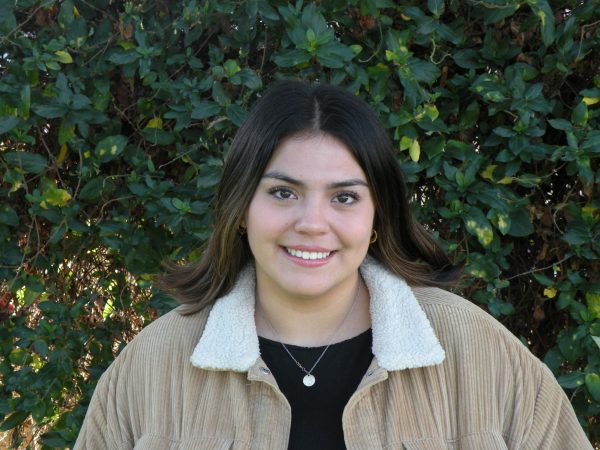
Madeline McGaughey, grade 11, stated “I like this project because it teaches us about the responsibilities of having a child even though it doesn’t talk or move or cry.”
McGaughey claims thatr her least favorite part of the project has been when, at the beginning, she had trouble remembering to keep it with her at all times. “I have gotten really used to having it around so it will definitely be weird not having it once the project is over.”
Junior Scarlett Silz has said that she cannot wait for the project to be over.
“It’s kind of hard to carry a baby around all day on top of everything else I am carrying. It’s just a bit of a nuisance. I love my socklet but once it’s gone I will be perfectly fine without it,” said Silz.
Ms. Bailey hopes that the socklet project will encourage more students to enroll in her AP Psychology class. “One of the great things about psychology is that we have the opportunity to be creative and interactive and do some really cool projects and activities like this. Everybody should take it.”