













High school students take a variety of classes throughout their four years. However, while some courses focus heavily on academics and testing, others teach skills that students can directly apply to everyday life. From marketing and communication to health and wellness, students shared which classes they believe have been the most useful outside of school.
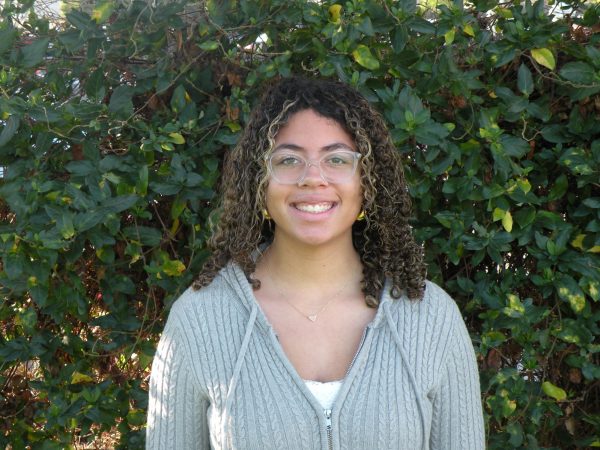
Kealani Mendoza (10) said that one of the most beneficial classes she has taken so far has been ROP Integrated Marketing and Communications.
“One thing I’ve already used is learning how to communicate with different audiences. I’ve used those skills when helping make posts and promote activities for Crochet Club,” Mendoza said.
Mendoza explained that the class became even more meaningful during projects that reflected real world experiences and responsibilities.
“There was a moment during a marketing campaign project where I realized, ‘I’m actually going to need this someday,’” Mendoza said. “We had to create branding, social media content, and presentations like real companies do, and it felt like actual job experience.”
Although many students may expect classes like English or Math to be the most practical, Mendoza believes ROP Integrated Marketing and Communications provides skills that apply more directly to future careers and everyday situations.
“I think my answer would surprise some people,” Mendoza said. “Most students would probably say English or math, but this class teaches practical skills like communication, teamwork, and marketing that apply to real life.”
Mendoza also shared that some classes that appear useful on paper may not always feel applicable in everyday situations.
“A class that sounds useful but hasn’t really been as practical for me is history, because I don’t use a lot of that information in everyday life,” Mendoza said. “this class feels more useful because the skills apply to almost any job and even things like promoting clubs and events.”
Meanwhile, Vanessa Lascon (11) said that Anatomy and Physiology has been one of the most valuable classes she has taken because of how often the information can be applied to personal health and daily habits.
“One class that I think was actually useful for real life was Anatomy and Physiology,” Lascon said. “One specific thing that I learned in the class that I have already used is how different types of food can do different things for our bodies and how that can have an overall impact on the body’s wellbeing, and I used this by implementing better, more nutritious foods into what I eat daily.”
Lascon explained that one lesson in particular stood out to her because of its relevance to her life as an athlete.
“During our muscular system unit and that day we were learning about the R.I.C.E. method (rest, icing, compression, and elevation). This was useful because as an athlete, specifically during my sport season, this is a great thing to know in case of sore or aching muscles to prevent further injury.”
Unlike Mendoza, Lascon said she feels Anatomy and Physiology is already widely recognized by students as a practical class because of how directly it connects to the human body and everyday health.
“I think this class is something that most would expect if they have taken the class because it is a really informative course that gets us to learn more about our body and how everything works together,” Lascon said.
Lascon also compared the class to Chemistry, which she believes may not be as useful for students outside of certain career paths.
“I feel like Chemistry sounds useful but actually isn’t because, although it is useful for some fields of work, it does not pertain to everyday life like Anatomy and Physiology does,” Lascon said.
Although students may have different opinions on which classes are the most valuable, many agree that the most useful courses are the ones that provide skills they can continue applying beyond high school.