

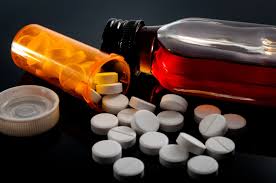




















Lawrence Livermore National Laboratory has researched a new potential anti opioid drug. EMTs rely on Narcan to save lives, and the new drug Subetadex could work even better by working longer and preventing relapses.
Every overdose is an emergency where every second matters. First, the heartbeat begins to slow down, breathing becomes shallow, and soon lives depend on how quickly help can arrive. EMTs are often the first responders to a scene, providing care and administering interventions before patients reach the hospital.
For many years, naloxone, commonly known as Narcan, has been used by medical professionals to reverse overdoses caused by drugs such as heroin and fentanyl.
Narcan works by blocking opioids from reaching the brain, and it has saved many lives. However, the opioid crisis continues to affect thousands of people each year. This ongoing problem shows that while Narcan is helpful, it is not enough on its own, and newer treatments needed in order to combat this growing issue.
Emergency Medical Technicians, paramedics, and other medical professionals are among the many people who combat against addiction first handedly, fighting the clock to save lives with the resources available.
Researchers at Lawrence Livermore National Laboratory are working on a possible new solution. A team led by scientist Valdez and biologist Dr. Mike Malfatti have developed an experimental drug called Subetadex. Unlike Narcan, Subetadex does not block brain receptors. Instead, it attaches directly to the opioid drug itself. This neutralizes the opioid and helps the body remove it more quickly.
According to Dr Edward Bernstein, a professor at Boston University, repeatedly administering Narcan to the same individual can leave health care providers feeling discouraged. He notes that roughly 30 % of patients seen by the hospital’s addiction team come back to the emergency department with a drug‑related complaint, including overdoses, and about 10 % of those individuals return more than three times.
This pattern of addiction and relapse shows how hard the situation can be for both patients and healthcare providers, such as EMTs and nurses. EMTs and hospital staff help not only by saving lives in the moment but also by connecting patients to long-term help to prevent future overdoses.
Subetadex remains active in the body longer than Narcan, which may help reduce the risk of a repeat overdose without requiring an additional dose during an emergency. This extended benefit gives healthcare providers an opportunity to have more time to stabilize the patient.
Subetadex can potentially play a key role by providing longer-lasting protection against overdose, giving patients a more stable time frame to receive the proper support systems they need.
As research continues, these future medications could lower the risk of relapse and reduce overdose deaths.
For communities affected by opioid overdoses, this research represents more than just a scientific advancement. It represents the hope of saving more lives and moving closer to ending a public health crisis happening since the mid 1990s.